
Income generation projects
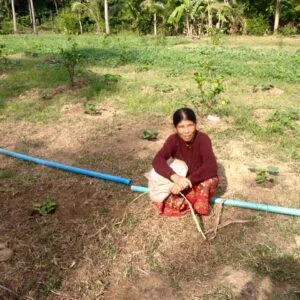 The Field Alliance supports ecological agriculture and agrobiodiversity in an effort to reduce input costs (of pesticides), preserve agricultural environments so that they can be sustainable sources of income into the future, and discourage monocropping- or overdependence on a specific crop- in order to further diversify and protect income.
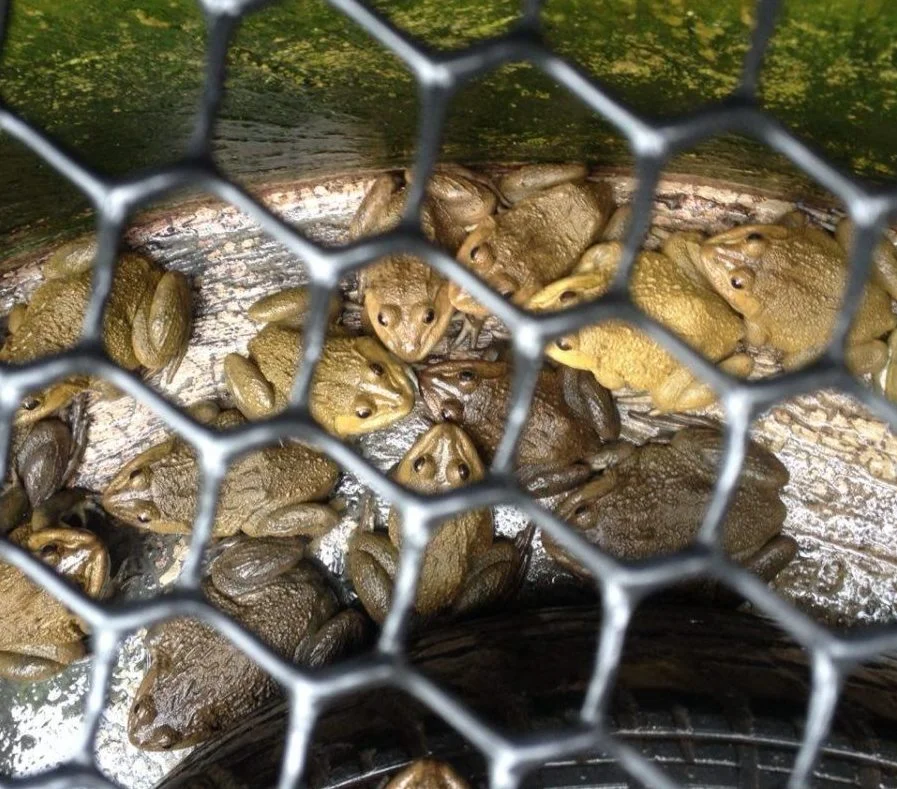
This is achieved through various projects that provide alternate income generation for community members including: frog and cricket rearing, rice-fish habitats, traditional weaving, growing and selling of local indigenous herbs, and canning and preserving products to be sold year-round among other locally determined income-generation activities.
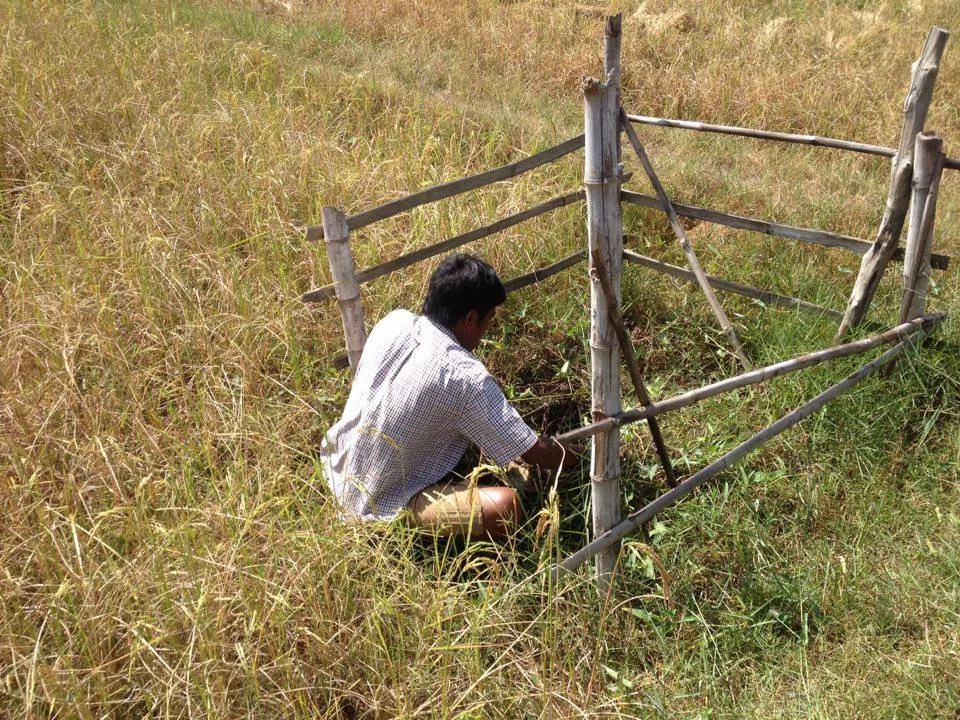
Creating aquatic habitats in rice fields
By training farmers on how to create thriving aquatic habitats in rice fields farmers are able to raise aquatic species, insects, and small animals in order to provide supplementary income.
 |
 |
Ecological Agriculture and poverty reduction
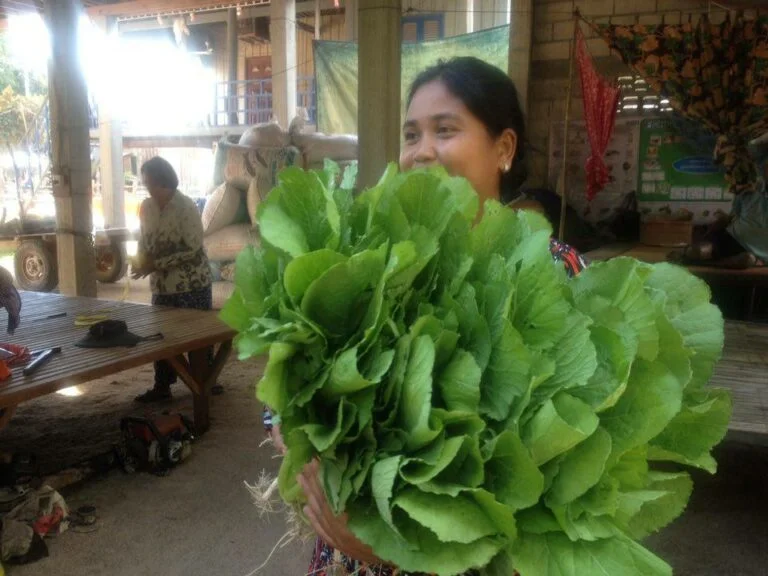 Methods such as IPM, SRI, composting, bio-mats, and use of botanical pesticides also contributed to reduction of input cost (chemical fertilizers and pesticides) and increased yields for farmers in the program thereby increasing overall income.
In 2015, farmers in Bac Giang were able to earn more than 10 times more from rice-fish farming compared to farmers growing rice only. In both Thailand and Vietnam, farmers were able to reduce their pesticide by 50 to 90 % compared to farmers who were not in the program.